
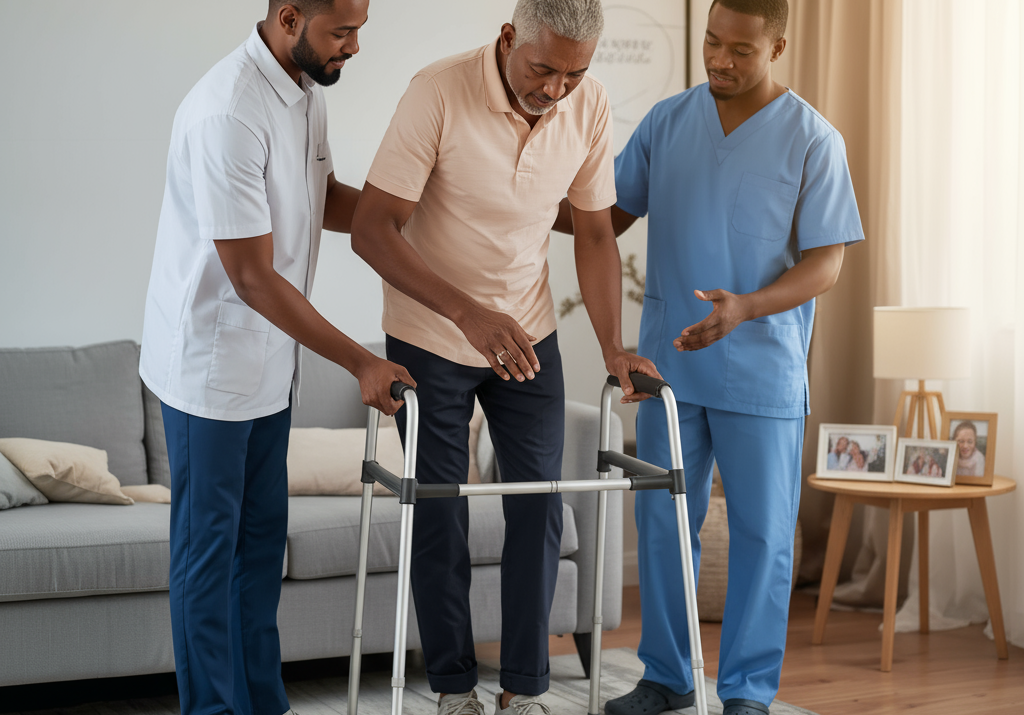

Introduction & Context Each year on October 1, the United Nations observes the International Day of Older Persons, a day to honor the contributions of older adults and highlight the challenges they face. In 2025, the theme is: ‘Older Persons Driving Local and Global Action: Our Aspirations, Our Well‑Being, Our Rights.’ This theme emphasizes that

Stroke is a serious medical condition that occurs when the blood supply to a part of the brain is interrupted or reduced, depriving brain tissue of oxygen and nutrients. Within minutes, brain cells begin to die. According to the World Health Organization (WHO), stroke is one of the leading causes of death and disability worldwide.
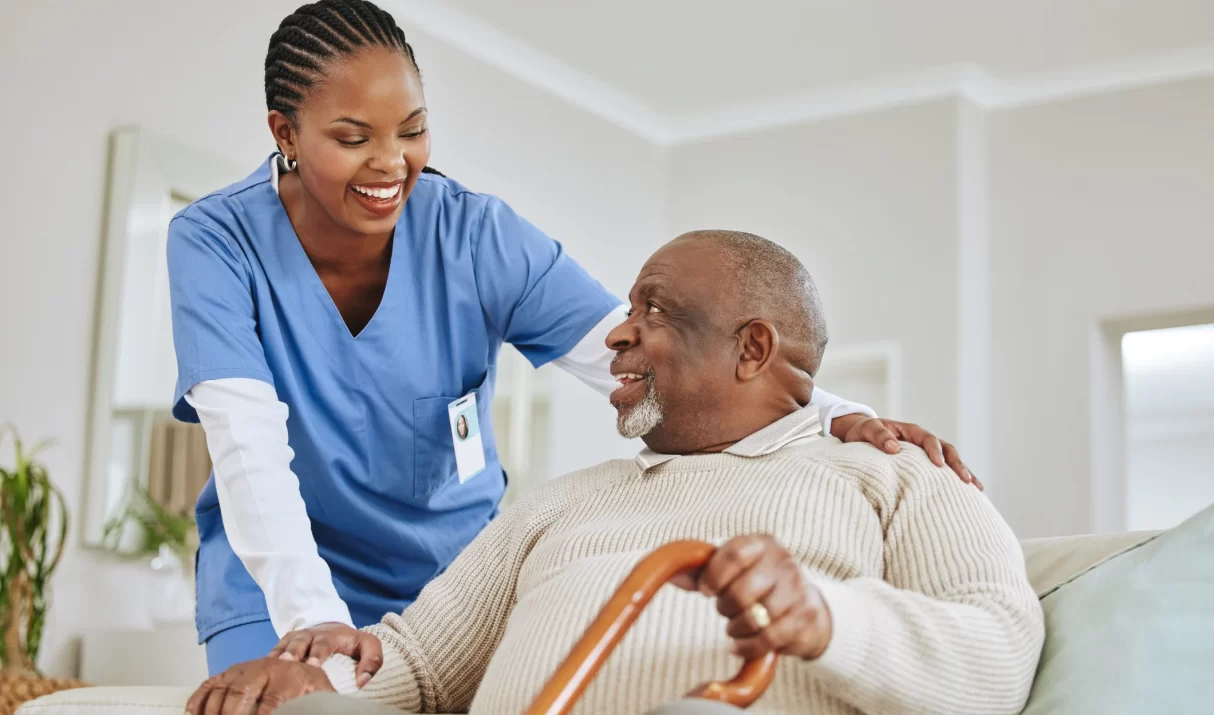
Imagine this: You wake up on a bright morning, stretch, and instead of rushing to the hospital for a check-up, you sit at your dining table with a cup of tea. A nurse logs in via video call, checks your vital signs through a small device on your wrist, and updates your doctor instantly. Within
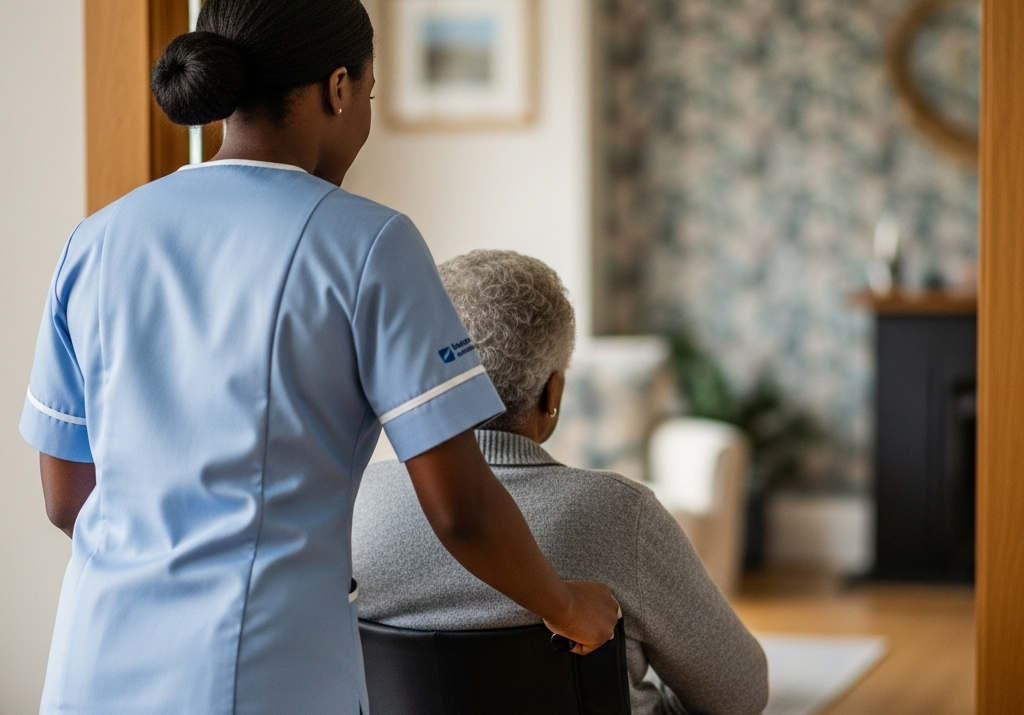
As loved ones grow older, they often face challenges like reduced mobility, memory issues, or chronic conditions. Elderly care services at home provide compassionate support while preserving dignity and independence. Homecare nurses and caregivers assist with daily tasks such as bathing, nutrition, and medication while ensuring seniors stay engaged socially and mentally. With digital monitoring
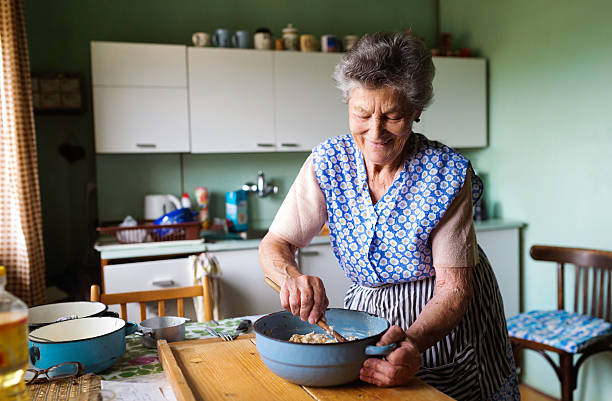
Living with a chronic condition such as diabetes, hypertension, or heart disease requires ongoing care and attention. Home-based management can make life easier by reducing the need for frequent hospital visits while still ensuring safety and health. With the help of home nursing services, patients can track their vital signs, follow medication schedules, and receive

Home-based care brings healthcare directly to where patients feel most comfortable—their homes. For people with mobility challenges, chronic conditions, or advanced age, this approach reduces stress, improves recovery, and fosters a sense of independence. Families also benefit, as they can remain actively involved in their loved one’s care while relying on professional nurses and caregivers