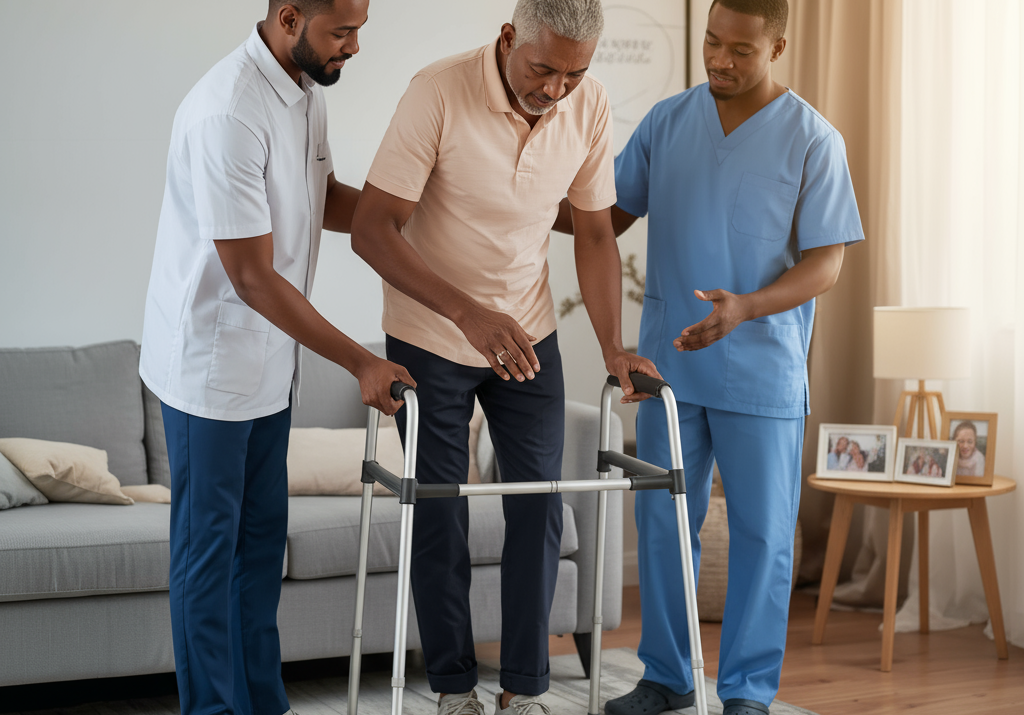
Introduction & Context Each year on October 1, the United Nations observes the International Day of Older Persons, a day to honor the contributions of older adults and highlight the challenges they face. In 2025, the theme is: ‘Older Persons Driving Local and Global Action: Our Aspirations, Our Well‑Being, Our Rights.’ This theme emphasizes that older people are not passive recipients of care, but active agents, shaping their own well‑being and contributing to communities. As populations age, many older people prefer to remain at home rather than be institutionalized. Digital health technologies (remote monitoring, telehealth, home diagnostics) hold promises to support this preference while improving access, reducing stress on health systems, and preserving dignity. Global & Demographic Context – The proportion of older persons globally is rising rapidly; the need for age‑friendly health systems is more urgent than ever.– Older persons often face barriers: limited mobility, chronic illnesses, social isolation, access to care, digital literacy, and ageism.– The 2025 UN observance underscores that older individuals must be at the center of policy and action to build inclusive and resilient societies. Why Digital Home Healthcare Is Timely – Enables continuous monitoring of health parameters without travel.– Facilitates virtual consultations, reducing the burden of transport.– Supports early detection of health deterioration.– Enables integration with caregivers, families, and health systems. Alignment with the 2025 UN Theme Aspect of Theme Digital Home Healthcare Contribution Aspirations Gives older persons control, choices, and visibility into their health. Well‑Being Improves health outcomes, quality of life, and reduces preventable hospitalizations. Rights Ensures access to care, supports non‑discrimination, and respects privacy and dignity. Design Principles & Enablers – User‑centered, age‑friendly design– Low-bandwidth and offline capabilities– Privacy, security, and consent frameworks– Digital literacy support– Partnerships with local health systems– Sustainable financing models Call to Action & Conclusion The 2025 UN theme calls for older people to be central actors in shaping their lives and societies. By deploying digital home healthcare, we can help translate that mission into reality: empowering older adults to live with dignity, promoting health equity, and reinforcing their role in fostering more resilient, inclusive communities. Did you know?

Stroke is a serious medical condition that occurs when the blood supply to a part of the brain is interrupted or reduced, depriving brain tissue of oxygen and nutrients. Within minutes, brain cells begin to die. According to the World Health Organization (WHO), stroke is one of the leading causes of death and disability worldwide. Definition of Stroke According to WHO, a stroke is a clinical syndrome consisting of rapidly developing clinical signs of focal or global disturbance of cerebral function, lasting more than 24 hours or leading to death, with no apparent cause other than vascular origin. According to the Mongolian Guidelines for Stroke Management (2012), a stroke is a sudden problem in the brain caused by a blood vessel issue, leading to specific neurological problems (like weakness, speech, or vision changes) that last for more than 24 hours. Types of Stroke There are three main types of strokes: Definition:An ischemic stroke happens when a blood vessel that supplies the brain gets blocked, usually by a blood clot or by plaque buildup (atherosclerosis). Because of this blockage, brain cells don’t get enough oxygen and nutrients, leading to damage. It’s the most common type of stroke (80–85%). Causes Risk Factors Signs & Symptoms Usually appears suddenly. Key features (FAST): Prevention In short: Ischemic stroke is caused by blocked blood flow in the brain. It’s the most common stroke, has sudden warning signs, and needs fast treatment to prevent permanent brain damage. Prevention mainly focuses on healthy living and controlling medical risks. Definition A hemorrhagic stroke happens when a blood vessel in the brain bursts (ruptures), causing bleeding inside or around the brain. Bleeding increases pressure on brain tissue and damages it. It accounts for about 15–20% of all strokes. Causes Risk Factors Signs & Symptoms Prevention In short: Hemorrhagic stroke is caused by bleeding in the brain, usually from uncontrolled high blood pressure or a burst aneurysm. It has sudden severe symptoms, often with a very strong headache, and requires urgent hospital care. Prevention focuses mainly on controlling blood pressure and avoiding risky habits. Transient Ischemic Attack (TIA) Definition A TIA, often called a “mini stroke”, happens when blood flow to part of the brain is briefly reduced or blocked. Symptoms are similar to stroke but last only a few minutes to hours. By definition, symptoms are resolved within 24 hours and there is no permanent brain damage. However, TIA is a serious warning sign that a major stroke may occur in the future. Causes Risk Factors Same as for ischemic stroke, since both share the same underlying problems: Signs & Symptoms Appear suddenly and resemble stroke, but resolve quickly: Prevention In short: A TIA is like a temporary stroke that fully recovers within 24 hours, but it’s a red flag for a future major stroke. Quick medical check-up and treatment after a TIA can save lives. Risk Factors WHO and clinical guidelines highlight several risk factors that increase the likelihood of stroke: High blood pressure (hypertension)Diabetes mellitusHigh cholesterolObesitySmokingPhysical inactivityHeavy alcohol consumptionPrior history of stroke or transient ischemic attack (TIA)heart disease (e.g., atrial fibrillation) Signs and Symptoms Stroke symptoms often appear suddenly and may include: The FAST approach is often used: Face drooping, Arm weakness, Speech difficulty, Time to seek emergency care. Take-Home Message Stroke is a medical emergency and a leading cause of death and disability worldwide. It happens when blood flow to the brain is blocked (ischemic stroke), when a vessel bursts and causes bleeding (hemorrhagic stroke), or when there is a temporary blockage (TIA). Risk factors such as high blood pressure, diabetes, smoking, obesity, high cholesterol, and heart disease greatly increase the chance of stroke. Warning signs appear suddenly: weakness on one side, trouble speaking, vision loss, dizziness, or severe headache. The FAST rule (Face, Arm, Speech, Time) helps in recognizing stroke early. Treatment must be urgent to save brain cells and reduce disability. Prevention is possible: controlling blood pressure, sugar, and cholesterol, quitting smoking, limiting alcohol, exercising, eating healthy, and taking prescribed medicines can reduce the risk. In short: Stroke strikes fast, recognize it early, act immediately, and focus on prevention to save lives and protect brain health. References 1. World Health Organization (WHO). Stroke factsheet and guidelines.2. Ministry of Health, Mongolia. Guidelines for Management of Stroke (2012).

Imagine this: You wake up on a bright morning, stretch, and instead of rushing to the hospital for a check-up, you sit at your dining table with a cup of tea. A nurse logs in via video call, checks your vital signs through a small device on your wrist, and updates your doctor instantly. Within minutes, you’ve had a professional consultation—without ever leaving your home. Sounds futuristic? It’s not. It’s here. It’s Digital Home Healthcare. 🚀 Why This Matters Healthcare is no longer confined to hospital walls. For years, patients managing chronic diseases or elderly family members had only two choices: struggle to make endless trips to clinics, or rely on overstretched caregivers at home. But digital tools, combined with compassionate homecare services, are rewriting that story. Now, your home can be your hospital—equipped with skilled nurses, smart devices, and instant connections to specialists. The Thrill of Convenience Meets the Power of Care Think about how technology already makes your life easier. You order food with one tap. You shop online and it shows up at your door. Why not healthcare? A Day in the Life with Digital Home Healthcare Picture Sarah, a 65-year-old grandmother with hypertension. Before digital home healthcare, she used to spend hours in long hospital lines every month. Today? Sarah doesn’t feel like “a patient” anymore. She feels empowered. She feels safe. She feels free. 🌸 Why You Should Care (Even If You’re Healthy!) Here’s the fun twist: Digital home healthcare isn’t just for the sick or elderly. It’s for everyone. Want peace of mind that your health is on track? Home screenings and preventive care help you stay ahead. Think of it like having a personal health assistant that works 24/7, quietly protecting your well-being. Join the Movement Healthcare is moving from hospitals-first to home-first. That’s not just convenient—it’s revolutionary. With digital tools, professional care teams, and a commitment to both physical and mental wellness, Digital Home Healthcare is reshaping how we think about health. So next time you imagine the future, don’t picture flying cars or robot butlers. Picture this: Your health, cared for, right where you are. 🏡💙 📘 Want to Learn More? ✨ Final Note: The future isn’t in the hospital waiting room—it’s in your living room. And with Digital Home Healthcare, the future is already here.
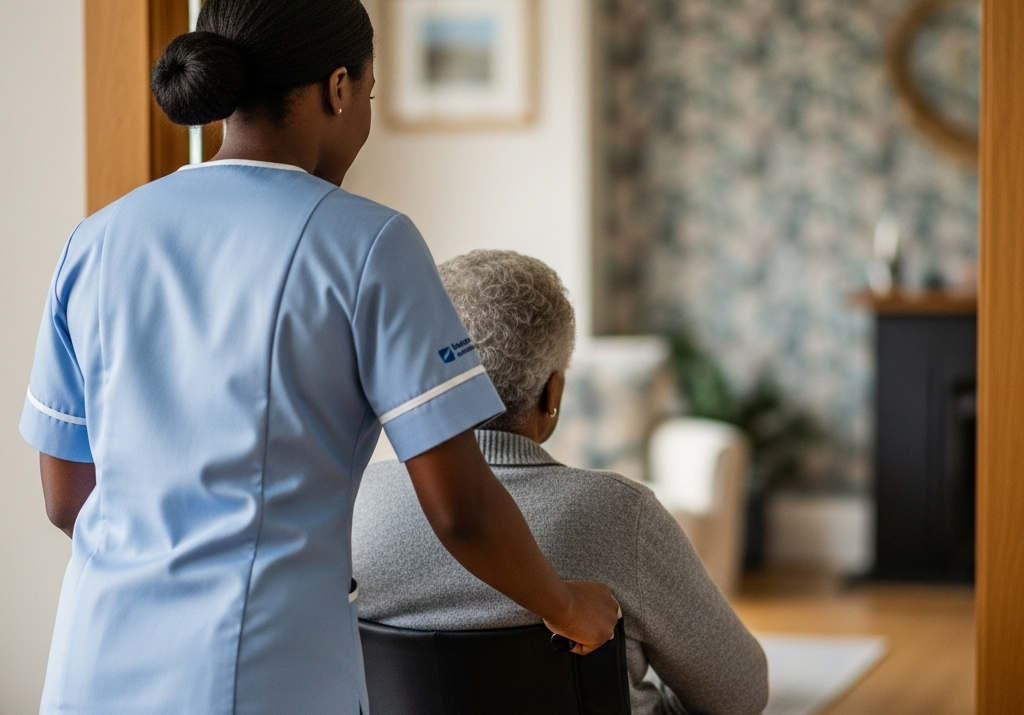
As loved ones grow older, they often face challenges like reduced mobility, memory issues, or chronic conditions. Elderly care services at home provide compassionate support while preserving dignity and independence. Homecare nurses and caregivers assist with daily tasks such as bathing, nutrition, and medication while ensuring seniors stay engaged socially and mentally. With digital monitoring tools, families can receive updates on their loved one’s health status, offering peace of mind even when they live far away. Practical Tip: Encourage elderly family members to participate in decision-making about their care. This boosts their confidence and sense of control. 🔗 Recommended resource: National Institute on Aging (NIA) – Caring for Older Adults.
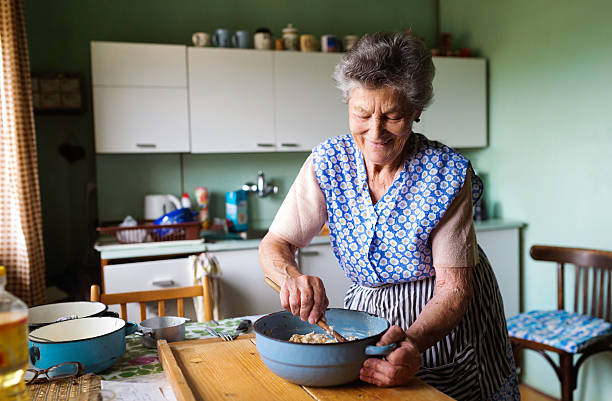
Living with a chronic condition such as diabetes, hypertension, or heart disease requires ongoing care and attention. Home-based management can make life easier by reducing the need for frequent hospital visits while still ensuring safety and health. With the help of home nursing services, patients can track their vital signs, follow medication schedules, and receive dietary and lifestyle guidance tailored to their condition. Technology also plays an important role—digital tools such as mobile health apps or remote monitoring devices allow patients and caregivers to stay connected with doctors in real time. Practical Tip: Keep a daily health journal to track symptoms, medications, and lifestyle habits. This can help healthcare providers make better decisions. 📘 Recommended resource: Living a Healthy Life with Chronic Conditions by Kate Lorig et al. (A guide to practical strategies for self-management).

Home-based care brings healthcare directly to where patients feel most comfortable—their homes. For people with mobility challenges, chronic conditions, or advanced age, this approach reduces stress, improves recovery, and fosters a sense of independence. Families also benefit, as they can remain actively involved in their loved one’s care while relying on professional nurses and caregivers for medical expertise. Studies show that patients who receive home-based care often experience fewer hospital readmissions and better overall quality of life. Practical Tip: Create a safe home environment by removing tripping hazards, ensuring proper lighting, and keeping emergency contacts visible. 🔗 Recommended reading: World Health Organization (WHO) report on Integrated Care for Older People (ICOPE).
