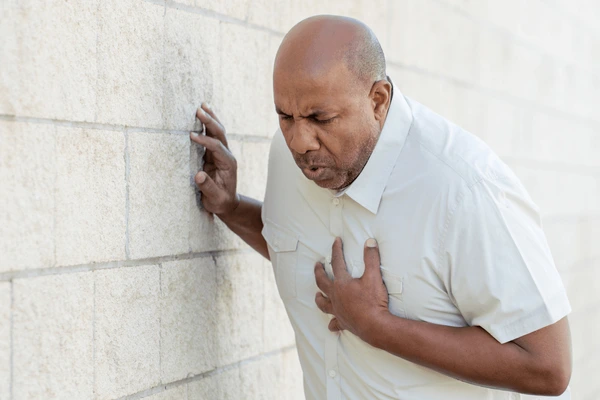

Stroke is a serious medical condition that occurs when the blood supply to a part of the brain is interrupted or reduced, depriving brain tissue of oxygen and nutrients. Within minutes, brain cells begin to die. According to the World Health Organization (WHO), stroke is one of the leading causes of death and disability worldwide.
Definition of Stroke
According to WHO, a stroke is a clinical syndrome consisting of rapidly developing clinical signs of focal or global disturbance of cerebral function, lasting more than 24 hours or leading to death, with no apparent cause other than vascular origin.
According to the Mongolian Guidelines for Stroke Management (2012), a stroke is a sudden problem in the brain caused by a blood vessel issue, leading to specific neurological problems (like weakness, speech, or vision changes) that last for more than 24 hours.
Types of Stroke
There are three main types of strokes:
- Ischemic Stroke
Definition:
An ischemic stroke happens when a blood vessel that supplies the brain gets blocked, usually by a blood clot or by plaque buildup (atherosclerosis). Because of this blockage, brain cells don’t get enough oxygen and nutrients, leading to damage. It’s the most common type of stroke (80–85%).
Causes
- Blood clots (often form in the heart or neck arteries and travel to the brain).
- Atherosclerosis: narrowing and hardening of arteries due to cholesterol buildup.
- Embolism: clot or debris traveling from another part of the body to the brain.
- Thrombosis: clot forming directly in a brain artery.
Risk Factors
- Medical: high blood pressure, diabetes, high cholesterol, heart diseases (e.g., atrial fibrillation), previous stroke or TIA.
- Lifestyle: smoking, heavy drinking, physical inactivity, unhealthy diet, obesity.
- Other: older age, family history, stress.
Signs & Symptoms
Usually appears suddenly. Key features (FAST):
- Face drooping – one side of the face may look uneven.
- Arm weakness – difficulty raising one arm.
- Speech problems – slurred or strange speech.
- Time – urgent medical attention needed.
- Other symptoms: sudden vision loss, dizziness, confusion, numbness, or severe headache.
Prevention
- Manage blood pressure, diabetes, and cholesterol.
- Stop smoking, limit alcohol.
- Exercise regularly and maintain healthy weight.
- Eat more fruits, vegetables, and less salt and fat.
- Take prescribed preventive medicines if at risk
In short: Ischemic stroke is caused by blocked blood flow in the brain. It’s the most common stroke, has sudden warning signs, and needs fast treatment to prevent permanent brain damage. Prevention mainly focuses on healthy living and controlling medical risks.
- Hemorrhagic Stroke
Definition
A hemorrhagic stroke happens when a blood vessel in the brain bursts (ruptures), causing bleeding inside or around the brain. Bleeding increases pressure on brain tissue and damages it. It accounts for about 15–20% of all strokes.
Causes
- Uncontrolled high blood pressure (hypertension) → the most common cause.
- Aneurysm (weak, balloon-like bulge in a blood vessel that bursts).
- Arteriovenous malformations (AVMs) (abnormal tangled blood vessels).
- Head injury/trauma.
- Blood clotting disorders or use of anticoagulant (blood thinner) medicines.
Risk Factors
- Medical: chronic high blood pressure, aneurysms, AVMs, blood clotting problems, liver disease.
- Lifestyle: smoking, excessive alcohol intake, drug use (e.g., cocaine, amphetamines).
- Other: older age, family history of aneurysm or stroke.
Signs & Symptoms
- Sudden, severe headache (“worst headache of life”).
- Sudden weakness or numbness (often on one side).
- Trouble speaking or understanding speech.
- Vision problems.
- Loss of balance, dizziness, difficulty walking.
- Nausea, vomiting.
- Loss of consciousness or seizures in severe cases.
Prevention
- Strict blood pressure control (most important).
- Avoid smoking, alcohol abuse, and illicit drugs.
- Healthy diet and exercise.
- Regular check-ups to detect aneurysms or vascular malformations (especially family history).
- Careful use of blood thinners (only under doctor’s guidance).
In short: Hemorrhagic stroke is caused by bleeding in the brain, usually from uncontrolled high blood pressure or a burst aneurysm. It has sudden severe symptoms, often with a very strong headache, and requires urgent hospital care. Prevention focuses mainly on controlling blood pressure and avoiding risky habits.
Transient Ischemic Attack (TIA)
Definition
A TIA, often called a “mini stroke”, happens when blood flow to part of the brain is briefly reduced or blocked. Symptoms are similar to stroke but last only a few minutes to hours. By definition, symptoms are resolved within 24 hours and there is no permanent brain damage. However, TIA is a serious warning sign that a major stroke may occur in the future.
Causes
- Temporary blood clot blocking an artery in the brain.
- Atherosclerosis (narrowing of arteries due to cholesterol buildup).
- Heart conditions such as atrial fibrillation (causes clots to form in the heart and travel to the brain).
- Very low blood flow due to sudden drop in blood pressure.
Risk Factors
Same as for ischemic stroke, since both share the same underlying problems:
- Medical: high blood pressure, diabetes, high cholesterol, heart disease, prior stroke or TIA.
- Lifestyle: smoking, heavy alcohol use, physical inactivity, unhealthy diet, obesity.
- Other: age (risk rises with age), family history.
Signs & Symptoms
Appear suddenly and resemble stroke, but resolve quickly:
- Weaknesses or numbness on one side of the body.
- Trouble speaking or understanding speech.
- Vision problems (sudden blindness in one eye or double vision).
- Dizziness, loss of balance, or difficulty walking.
- Symptoms last a few minutes to hours, then go away completely.
Prevention
- Treat and control high blood pressure, diabetes, and cholesterol.
- Take preventive medicines as prescribed.
- Stop smoking and limit alcohol.
- Regular exercise and healthy diet.
- Manage heart conditions like atrial fibrillation.
In short: A TIA is like a temporary stroke that fully recovers within 24 hours, but it’s a red flag for a future major stroke. Quick medical check-up and treatment after a TIA can save lives.
Risk Factors
WHO and clinical guidelines highlight several risk factors that increase the likelihood of stroke:
High blood pressure (hypertension)
Diabetes mellitus
High cholesterol
Obesity
Smoking
Physical inactivity
Heavy alcohol consumption
Prior history of stroke or transient ischemic attack (TIA)
heart disease (e.g., atrial fibrillation)
Signs and Symptoms
Stroke symptoms often appear suddenly and may include:
- Sudden weakness or numbness on one side of the body (face, arm, leg)
- Sudden difficulty speaking or understanding speech
- Sudden trouble seeing in one or both eyes
- Sudden loss of balance, dizziness, or difficulty walking
- Sudden severe headache with no known cause
The FAST approach is often used: Face drooping, Arm weakness, Speech difficulty, Time to seek emergency care.
Take-Home Message
Stroke is a medical emergency and a leading cause of death and disability worldwide.
It happens when blood flow to the brain is blocked (ischemic stroke), when a vessel bursts and causes bleeding (hemorrhagic stroke), or when there is a temporary blockage (TIA).
Risk factors such as high blood pressure, diabetes, smoking, obesity, high cholesterol, and heart disease greatly increase the chance of stroke.
Warning signs appear suddenly: weakness on one side, trouble speaking, vision loss, dizziness, or severe headache. The FAST rule (Face, Arm, Speech, Time) helps in recognizing stroke early.
Treatment must be urgent to save brain cells and reduce disability.
Prevention is possible: controlling blood pressure, sugar, and cholesterol, quitting smoking, limiting alcohol, exercising, eating healthy, and taking prescribed medicines can reduce the risk.
In short: Stroke strikes fast, recognize it early, act immediately, and focus on prevention to save lives and protect brain health.
References
1. World Health Organization (WHO). Stroke factsheet and guidelines.
2. Ministry of Health, Mongolia. Guidelines for Management of Stroke (2012).